Shadow Over: A Font for Polished Branding
As a small business owner, I’ve learned that the right font can make all the difference in how a brand is perceived. Whether it’s a bakery box, a skincare label, or a café menu, typography plays a key role in shaping first impressions and building trust with customers. That’s why I was excited to test out Shadow Over, a premium handwritten font from the Script Amp collection. It’s not just another pretty typeface—it’s a versatile tool that brings a touch of elegance and personality to any project.
What Makes Shadow Over Special?
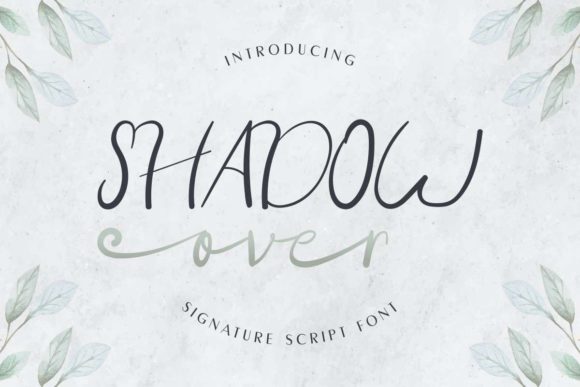
Shadow Over blends classic calligraphic influences with a modern, fresh feel. Its flowing lines and subtle variations give it a handcrafted quality that feels authentic and inviting. It’s perfect for businesses looking to add a personal touch without sacrificing professionalism. The font has a warm, approachable mood, making it ideal for brands that want to feel both stylish and friendly.
What stands out is its balance. Unlike some script fonts that can be too ornate or hard to read, Shadow Over maintains clarity even at smaller sizes. This makes it great for labels, product tags, and other business materials where legibility matters just as much as aesthetics.
Real-World Applications
I recently helped a local bakery update their packaging. They wanted something that felt handmade but still looked polished. We used Shadow Over for the logo and product names on their boxes. The result was a clean, cohesive look that felt unique yet professional. Customers noticed the difference—there was a sense of care and thoughtfulness in every detail.
Another project involved a candle seller redesigning their jar labels. With Shadow Over, we created a series of elegant, minimalist labels that stood out on the shelf. The font added a refined touch that matched the brand’s aesthetic while still being easy to read from a distance.
Even for digital work, like social media graphics and Instagram promotions, Shadow Over proved valuable. It brought a sense of personality to headlines and captions, helping the brand stand out in a crowded space.
When to Use Shadow Over
Shadow Over shines as a display font. It’s best suited for headlines, logos, and short phrases where visual impact is key. It works well on packaging titles, product tags, and website banners. However, it’s not ideal for long blocks of text due to its decorative nature.
For smaller labels or mobile screens, I recommend using it sparingly. Pair it with a clean sans serif or serif font for contrast. This creates a balanced design that’s both readable and visually appealing.
Pairing Ideas and Design Tips
One of the strengths of Shadow Over is its flexibility. It pairs beautifully with a variety of other fonts. For example, combining it with a simple sans serif like Helvetica or Montserrat can create a modern, clean look. Using it alongside an elegant serif font like Playfair Display adds a touch of sophistication.
If you’re working on a logo design, consider using Shadow Over for the main text and a simpler font for the tagline. This helps maintain visual hierarchy while keeping the overall design cohesive.
Also, don’t forget to check the included styles, file formats, and licensing details before using Shadow Over on your products, packaging, or digital assets. It’s important to ensure the font is suitable for your specific needs, whether you’re creating print materials, online shop graphics, or social media templates.
Why Typography Matters for Small Businesses
Typography isn’t just about style—it’s about communication. The right font can help a business feel more trustworthy, consistent, and memorable. Shadow Over does this by adding a personal, handcrafted element that resonates with customers.
It also helps with brand recognition. When a font is used consistently across different materials, it reinforces the brand’s identity. Whether it’s a coaching brand, a handmade product, or a boutique, Shadow Over offers a way to create a unified and professional look.
Ultimately, Shadow Over is more than just a font—it’s a tool for storytelling. It allows small businesses to express their personality while maintaining a level of polish that speaks to their audience. And in a world where first impressions matter, that’s a powerful advantage.