Mugdana: A Handwritten Font for Elegant Design
There’s a moment in editorial design when the right font can transform a project from good to unforgettable. For a recent lifestyle blog redesign, I found myself scrolling through dozens of script fonts, searching for something that felt both personal and professional. Mugdana was the one that stopped me in my tracks. Its flowing, handwritten style exudes an elegant touch that feels at once modern and timeless.
The Visual Character of Mugdana
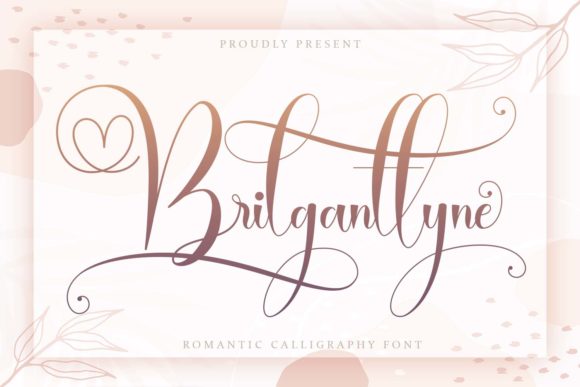
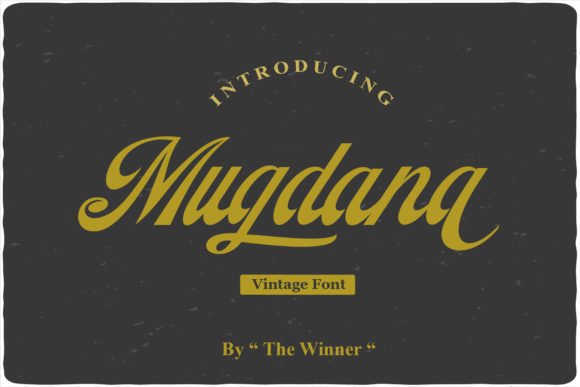
Mugdana is a flowing handwritten font with a distinct rhythm that sets it apart from other script typefaces. The letterforms are soft yet structured, with subtle variations in weight that give it a natural, organic feel. It’s not overly ornate, but it carries a quiet confidence that makes it ideal for projects where personality matters. The font has a warm, approachable mood that works well in both digital and print formats.
What stands out most is its balance between readability and visual interest. While it’s clearly a display font, it doesn’t sacrifice clarity for flair. This makes it a versatile choice for headings, titles, and decorative elements without overwhelming the reader.
Real-World Use Cases for Mugdana
I tested Mugdana in a variety of editorial contexts, from blog headers to newsletter graphics. In a recipe ebook, it added a personal, artisanal feel to the title and chapter openers, making the content feel more inviting. For a wedding guide, it brought a sense of sophistication to section headings and pull quotes, enhancing the overall aesthetic without distracting from the message.
In a coaching workbook, Mugdana worked well as a header font, giving each section a unique identity while maintaining a cohesive look. It also proved effective in printable planners, where its fluidity made it easy on the eyes and visually engaging.
Mugdana in Editorial Layouts
When used in editorial layouts, Mugdana supports visual hierarchy by drawing attention to key elements without competing with body text. It pairs well with serif or sans serif fonts, creating a balanced contrast that enhances readability. For example, pairing it with a clean, readable serif font like Georgia or Lora can create a refined, professional look suitable for magazines or e-books.
On the web, Mugdana performs well in large text sizes, making it ideal for headlines and banners. However, it’s less suited for small captions or dense paragraphs. When designing for mobile devices, it’s important to ensure that the font remains legible at smaller sizes, especially in PDF exports or print materials.
Considerations for Readability and Usage
Mugdana excels in short-form content such as pull quotes, cover text, and decorative accents. It’s perfect for creating a strong first impression in newsletters, social media graphics, or packaging design. However, it’s not recommended for long-form body copy due to its expressive nature, which can reduce readability over extended reading sessions.
For a lifestyle blog, using Mugdana as a header font can help establish a consistent brand identity. It adds a personal touch that resonates with readers looking for authenticity and creativity. In a digital magazine, it can be used sparingly to highlight key sections or introduce new features, reinforcing the publication’s tone and style.
Font Pairing and Design Integration
When integrating Mugdana into a design project, consider how it interacts with other typefaces. A classic serif font like Garamond or Baskerville can provide a strong foundation for body text, while a modern sans serif like Open Sans or Montserrat can serve as a reliable companion for captions and navigation elements.
For a more contemporary look, pairing Mugdana with a minimalist sans serif like Helvetica Neue or Futura can create a striking contrast that highlights the font’s elegance. These combinations work well in web design, social media graphics, and creative marketing materials.
Before finalizing a project, it’s essential to check the font’s available styles, alternates, and ligatures. Mugdana likely includes multiple weights or variations that can be used for different design needs. Ensuring multilingual support and proper file formats is also crucial, especially if the font will be used in ebooks, templates, or commercial publications.
Final Thoughts on Mugdana
Mugdana is more than just a pretty font—it’s a tool that can elevate the visual storytelling of any project. Its flowing, handwritten style brings a sense of warmth and personality that is hard to replicate with other typefaces. Whether you’re designing a lifestyle blog, a recipe ebook, or a wedding guide, Mugdana offers a refined yet approachable option that supports both aesthetics and functionality.
As a premium font, it’s best suited for display purposes rather than body text. But when used thoughtfully, it can become a defining element of a publication’s identity. For designers and content creators looking to add a touch of elegance to their work, Mugdana is a compelling choice that blends beauty with practicality.